
Gosforth Nature Reserve is a beautiful site on the outskirts of Newcastle. It’s one of those rare places where you can stand, close your eyes and only hear nature all around you. Birds singing, wind rustling through water reed. And yet this paradise for everyone who wants to flee the bustling, loud city as well as a vast number of animal and plant life is in danger.
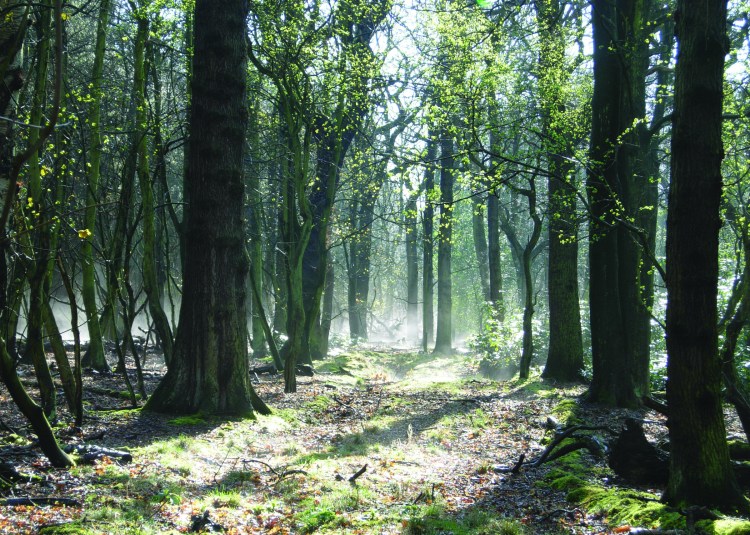
The Natural History Society of Northumbria (NHSN) has managed Gosforth Nature Reserve since 1929. It’s a secure haven for animal and plant life. James Common, communications and engagement officer of NHSN tells me that at least 1,566 different species have been recorded at the reserve. This includes everything from flower to fish, he says.
James is 26 years old and you can see his excitement for his work in his eyes. Around his neck he has binoculars and once in a while, he looks through them, observing the geese and other birds of the reserve. “I live in Heaton, in Newcastle, so very much a local boy.”
We’re standing on a platform next to the wetland site of the reserve. The geese are protesting loudly in the background. “Maybe there’s an otter close by,” James guesses. He says that otters are very common in the reserve as well as frogs, toads and smooth newts. “Visitors and volunteers have submitted a total of 137,654 observations of animals from the site – making it one of the most studied sites in the region.”
Even though it’s clearly still winter – the wind is harsh and the ground muddy from the weeks of rain – Gosforth Nature Reserve is full of life. That also includes plant life. When we walk back through the forest, I can see spots of dark green moss on the ground and on tree roots. “In summer the reserve is beautiful, wildflowers carpet the floor and we have all of our summer birds back,” explains James. “But also in winter, when it might look relatively dull and grey, it’s still a wonderful place. This is when the majority of our ducks and geese visit. As well as the bitterns. And, of course, winter species that you would not normally see during spring and summer.”
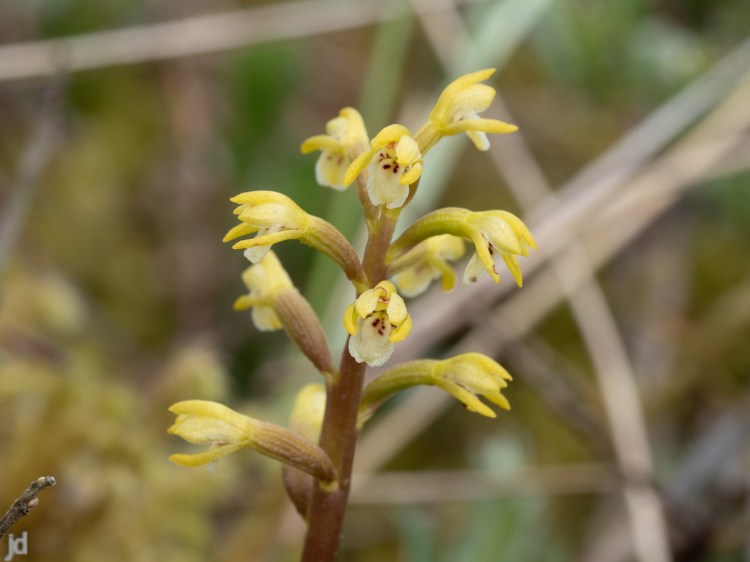
The reserve might only be one square kilometre large, but when you walk through it, the site feels endless. Especially when you’re a first-time visitor and don’t know which way to go. Gosforth Nature Reserve is also home for England’s second-largest colony of coral-root orchid. The reserve has a viewing area from late May to June for the species which can be found in the wet woodland. James tells me that they sometimes also have rare species of geese and other birds visiting. During such occasions, people from all over England – though majorly from the North – flock to the reserve to bird watch and take pictures.
But those and several other rare species are under threat. “Persimmon Homes have put in an application to build 217 homes on the boundary of the reserve,” James says. “We are objecting to this on the grounds of increased disturbance, damage to fragile habitats and of course the impact on the triple SI (Sites of Special Scientific Interest).” The increased traffic and dog walkers as well as cats who hunt birds are especially a danger to the reserve, adds James. The NHSN encourages people to oppose the plans.
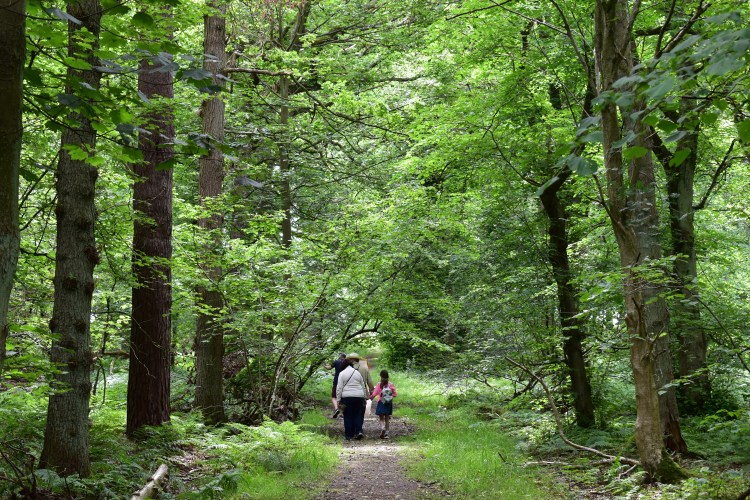
We don’t see deer when we walk from the wetland towards a site where volunteers are planting trees on the day of my visit. “The deer here are very tame. They can come very close and aren’t afraid of people at all”, James says. He thinks it’s because they don’t allow people to walk their dogs in the reserve. Sometimes it’s challenging to make people understand that the site is a place where they can’t go in with their dog, he tells me.
The birds are still singing in the forest, but the closer we get to the volunteers, the more the voices of people drown those of nature. We’re back in civilisation.
. . .
Next Tuesday I will post the second part of my visit to Gosforth Nature Reserve and tell you more about volunteering at the site and what special visitor we discovered to already be out and about.
 backyard explorer
One thought on “Gosforth wildlife under threat by construction plans”